53 nephi builds a ship coloring page
nephi builds a ship coloring page

Lds Coloring Pages Nephi Builds A Ship 0

Nephi Builds a Ship. Description. Download. The Lord told Nephi to build a boat to carry his family across the waters to the promised land. Connect the dots to help Nephi build the ship. Location … 1

Nephi Builds a Boat coloring page | Free Printable Coloring Pages 2

Mar 7, 2019 · 44+ Nephi Builds Ship Coloring Pages . 206 best church b of m nephi lehi images on pinterest from nephi builds a ship coloring page 12 ... 3

Print Color Online Download. Informations. Author: Lena London Added: August 2nd, 2021 4

Nephi ship coloring page They buried their weapons of war as a witness to god that they loved him and wanted to follow him. Nephi hunting | circa 592 b.c. Connect the dots to help nephi build … 5

use for Nephi needed help building the ship | Primary | Pinterest | The 6

Aug 2, 2011 · Nephi Builds a Ship. Preparation Items needed: two pieces of paper for each child, a medium size rock, a large seed, tape, and colored markers. Print the scripture story visual aids … 7

Nephi coloring page (QSTION.CO) - If ye do keep his commandments he doth bless you and prosper you ( mosiah 2:22 ). This coloring page features that inspiring moment. To choose … 8

Children circle and color tools Nephi may have used while building a ship. Coloring Page: “The Scriptures Teach Me about Heavenly Father and Jesus Christ and How to Return to Them.” … 9

23 Beautiful Image Of Nephi Builds A Ship Coloring Page - Coloring Pages 10

Nephi Builds A Ship Coloring Page Keeping Promises Liahona 11

Nephi Prepares to Build a Ship - Hidden Pictures – LDS Coloring Pages 12

Nephi Builds a Ship - Teaching Children the Gospel 13

Nephi Builds a Boat 14

23 Beautiful Image Of Nephi Builds A Ship Coloring Page - Coloring Pages 15

Nephi Builds a Ship 16
32 Nephi Builds A Ship Coloring Pages - Free Printable Coloring Pages 17

23 Beautiful Image Of Nephi Builds A Ship Coloring Page - Coloring Pages 18

Nephi Builds a Ship | Nephi builds a ship, Nephi, Primary books 19

23 Beautiful Image Of Nephi Builds A Ship Coloring Page - Coloring Pages 20

Nephi Builds A Ship Coloring Page Coloring Pages 21

23 Beautiful Image Of Nephi Builds A Ship Coloring Page - Coloring Pages 22

Nephi builds a ship | clip art | Pinterest | Primary lessons, Lds 23

Nephi Builds A Ship Coloring Page | divyajanani.org 24

23 Beautiful Image Of Nephi Builds A Ship Coloring Page - Coloring Pages 25

Nephi Builds A Ship Coloring Page Coloring Pages 26

Nephi Coloring Page at GetDrawings | Free download 27

Nephi Coloring Page at GetDrawings | Free download 28

Desenhos de Barcos e Navios para Imprimir 29

Nephi Builds A Ship - Flannel Board Story Pattern | Organization | Lds 30

23 Beautiful Image Of Nephi Builds A Ship Coloring Page - Coloring Pages 31

Nephi builds a ship | clip art | Pinterest | Primary lessons 32
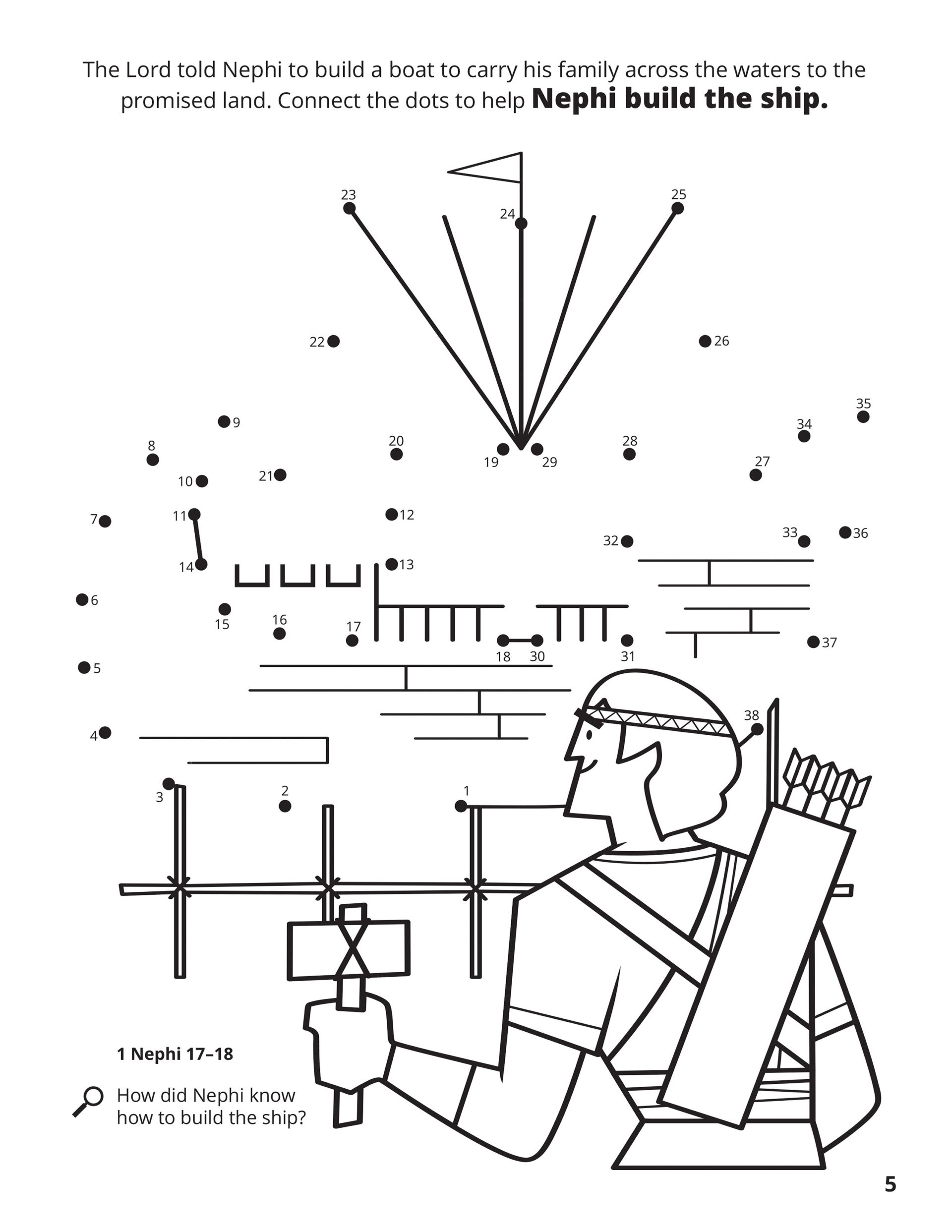
Nephi Builds a Ship 33

Primarily Inclined: Printable Activities from LDS.org 34
all right, hello everybody thank you for joining us, today for this special presentation, here at the arcadia flynn public library, we are, honored to have a wonderful person join, us, for the special event today we are, celebrating native american heritage, month or, indigenous peoples month here at the, library and so, it's even uh that much more special to, have a, our special guest with us so i am going, to introduce, to you our guest speaker his name is, chef nephi craig and i'm going to turn, things over to him, so thank you chef craig for doing this, for us and, we can't wait to see what you have to, share, okay you ready, it's all yours okay, um hello everybody thank you for taking, the time to, come and join us today for this uh this, uh this session, i know there's many other things that, you could probably be doing with your, time, so coming to join us with the library's, programming is, uh we're very grateful and appreciate it, um, the the library got in touch with me, after reviewing the film, gather and if you if you're unfamiliar, the film gatherer came out, a couple months ago and it's a film on, indigenous food sovereignty, across north america and the united, states it focuses on, a small handful of food practitioners, from the northwest to the american, southwest and the great plains, and it gives you a real small glimpse, into a much larger picture, of food sovereignty in the united states, which which also is a very uh important, issue, from south america through mexico all, the way up into, north america and into alaska native, american peoples or indigenous peoples, are using indigenous food ways, ancestral knowledge also known as, traditional, ecological knowledge to revitalize, health, reclaim identity and make space in the, larger realm of, art science cooking and other, professional, endeavors as it relates to our culture, and our public health, so my name is nephi craig i'm white, mountain apache and i'm also navajo, i've been cooking professionally 22, years and it's, it's a great honor to be here to share, what i love to do with you all, i'm inviting you to participate in this, session, and i hope that i can share some, information that will help you to maybe, see food a little bit differently, uh compared to how we normally seafood, the term indigenous foods in my pathway, as a native chef when i first started, cooking 22 years ago, say in 1998 when i got into a culinary, school, one of the first things that i began to, question and wonder about, was is there such thing as a native, american cuisine, and because i had grown up on the white, mountain apache tribe, and also grew up on the navajo nation i, had been around, food and um in a very intimate way and, when i decided to go to cooking school, we were being taught a world history of, cuisine, and we're learning about very amazing, things like the spice wars and we're, learning about, uh history of ingredients and, the renaissance and classical cuisine, and all of these things that, swirl around the world of gastronomy or, professional cooking, and what i noticed as a person from from, the res from the white mountain apache, tribe and the navajo nation, was that there was very little to no, mention, of indigenous peoples of the americas, there was mention of, mexico with chocolate and chilis and, maybe potatoes, but there was no mention of any tribes, specific to north america and even south, america, it was just we were just categorized in, a really, broad and very minimal way at the same, time, so being that i had grown up around food, in different ways it made me wonder, like hey where do we fit into this, picture of world gastronomy, and that that um that feeling of, alienation, it made me kind of wonder and question, and it would stay with me my whole, entire career, and i uh when i was in culinary school, and i asked one of my, chefs like asked him um hey chef, have you ever heard of a native american, cuisine and the response was, i know you make fry bread i know you, boil a lot of stews, and to me when i heard that message from, my from my chef, chef instructor that was kind of a, dismissive take on, who we were as native peoples yeah it's, true that a lot of tribes make fry bread, yeah it's true that we boil a lot of, stews, but there is a vast vast amount of, information, about culinary science agricultural, science, cultural information linguistics, mathematics and even medicine so, little did i and back then when i was 18, years old i didn't know how to, articulate that to my culinary, instructor, so i just kind of took that as a message, that maybe i shouldn't really, bring this up because it kind of made me, feel embarrassed when we're studying the, cuisines of asia and italy and europe, and they've got these grand, documented histories and that are, written into this curriculum, so um but that didn't stop me i would, begin to, study on my own i went to cooking school, before, the food network was really popular, before we were all so connected, through social media um and so i had to, really kind of hit the libraries, and do some research and so all along, the way, i would be studying native foods and in, every kitchen that i would work in i, would ask, other chefs and cooks and people in, professional kitchens, hey have you ever met a native chef do, you know any native chefs, and the response was always i always say, it's like like a bigfoot sighting, somebody knew someone who knew someone, who knew someone, who saw a native chef somewhere but they, couldn't remember what tribe or their, name or where they were from um and it's, kind of funny, so back in 98 the term, indigenous cuisine or the uh the terms, like, uh place-based native foods or terms, like indigeneity inspired cooking, or decolonial cuisine, or decolonizing indigenous foods, those terms were very very few and hard, to come by when i first started cooking, i remember for the most part all across, the american southwest, from santa fe to texas, to new mexico and arizona and even, california southern california, indigenous foods were being practiced, everywhere, and but the native peoples were never, being credit, so as we approach this thanksgiving, holiday, i encourage you to look at food, differently because, the united states has been cooking, indigenous foods since its inception, it was indigenous food ways agricultural, techniques, and traditional ecological knowledge of, native peoples, that allowed the united states to become, a world powers, it really really changes how you look at, food waste, and um i hope that i can um, offer that fact to you so little did i, know that uh, about 70 of foods in the grocery store, are native foods um so along this, journey, it's been this kind of a plight to, understand, myself and my own identity but also, those around me as it relates to native, foods, so um in this journey, uh in this journey of cooking and, um in this cook in this journey of, cooking and reclamation and, trying to articulate an experience, through native foods i've seen these, terms become more familiar, and be used more commonplace when i, first started cooking like i mentioned, all across the american southwest terms, like, southwestern inspired french cuisine, were being used, tex-mex cuisine terms like, american regional cuisine with, southwestern influences, french french cuisine with southwestern, accents um contemporary american cuisine, of the american southwest, these were all those really glossy, whitewashed terms that were being used, to to articulate the use of native foods, from chiles to chocolate to get large, game to small game, and this i'm just talking about the, southwestern united states, the same thing was true in the pacific, northwest, in the midwest in the southeast, all over the united states very very, very few, times did you hear native american, cuisine, or to be very specific like the version, that i do, well white mountain apache cuisine of, the western apache group, so um we've gone a long way and so, what i'm going to prepare today is just, kind of a, a introduction or a doorway into native, foods, i say it's like the uh it's like the, threshold dish, um so but before that i want to give you, some examples of how, the world has been using native foods, all along um, the dish that we're to do today you're, probably familiar with it it's called, the three sisters, and it involves three very important, cultivars corn, beans and squash and these important, cultivars, existed only in the americas they were, domesticated by native peoples, so um i'm going to use some corn, so as as we know every every strain of, corn began as teosinte the, the grass seed and through human, relationship and the, bioengineering and agricultural sciences, of native peoples, we get this vast universe of corn as it, exists today, and i'm just going to use some uh some, fresh corn here um, to to for the dish um and then, i'm gonna use some some zucchini every, single type of squash, from butternut to kobacha to yellow, squash to delcata squash, all the varieties of squashes are, indigenous to the americas, the next cultivar i'm going to use is, i'm going to use, some some anasazi beans here's what they, look like when they're dried, and i've just cooked them just simmered, them, for about an hour and just in water no, stock or none of those classical, techniques, just in water until they're tender and, every bean is indigenous to the americas, there were soybeans and maybe mung beans, and other types in, in eurasia but a majority if not, almost all beans came from indigenous, peoples, of of the americas so these three, important cultivars, known as the three sisters um i'm gonna, prepare a dish with it, and so these are very important, ingredients, in native foods and keep in mind that, this is not a like traditional apache, dish, growing up on the white mountain apache, tribe i never heard the term three, sisters, i never heard the the combination or, someone saying we're gonna do, a three sisters dish and i never even, maybe saw it combined like that, but i recognize each one of these, cultivars as an important food in our, lives in apache land and in navajo land, we have squash soups we have bean soups, we have, bean and squash soups we have bean and, corn soups, so they were very very familiar and, by following the foods i recognized that, this was like the gateway into the real, native american cuisine so i'm going to, prepare a dish with that, with these important cultivars i'll, demonstrate but i also want to give you, more examples, of indigenous foods that are all around, us, vanilla this is vanilla extract the, vanilla bean is an, indigenous food of the americas did not, exist anywhere in europe prior to 1500, so here's a really important extract, this one is a smoked paprika sometimes, you see it labeled spanish paprika, but that is so far from the truth, because, um because the paprika comes from the, bell pepper or one of the sweet peppers, it's dried and pulverized and then it's, dried smoked and then pulverized into, this smoky, fragrant uh paprika that you get and, it's in the chili family, and every single chili is indigenous to, the americas, there was the only forms of heat in, eurasia, were like peppercorns szechuan, peppercorns cloves, all spice but it eurasia was, missing the heat from the capsaicin of, the chilies, and prior to even arriving in europe, after 1500, there were you know hundreds of, varieties of chilies, being used as far back as 6000 bc so, um more evidence of how native foods, have been around us, all along um this is agave syrup, organic or agave syrup here, and agave is another indigenous food, all across mesoamerica up into our, region in, southern arizona and western apacheria, even into parts of northern arizona the, agave plant, is an ancestral food that was used, as a very important natural source of, sugar, so we would barbecue the stocks or, barbecue the hearts in the ground, and over a long period of time like at, least 24 hours maybe 36 to 48 hours, to get this really rich really rich, barbecued, heart so agave is all around us, as well in the grocery stores every, single, i've got some tomato product here, every single tomato variety is, indigenous to the americas, there were no tomatoes anywhere in, europe before 1500. so, when you think of tomato one of the, first cuisines that comes to mind, is italian cuisine and prior to 1500, there was no such thing as marinara, sauce or the espanol sauce, there were none of these vibrant, tomato-based dishes that are very, classic, in contemporary italian cuisine and, even when it made it back to europe it, sat around as a decorative plant for, like 200 years before, somebody got hungry and ate it because, people thought it was, a poisonous plant so, every single variety from the teardrops, to the plums to the romas to the, heirlooms to the tiger striped, you name it they all come from ancestral, intelligence of native peoples, and so when you walk into the to the, grocery store, and you see rows and rows of tomato, product or tomatoes, it's usually in the italian section but, it's a very important indigenous food, just like the chile was being used in, all its varieties, as far back as six to eight thousand bc, so, very important uh even on the higher end, uh scale of cooking or products, this is a hazelnut oil and hazelnuts are, another, indigenous food just like pecans and, pecans and pine nuts and sunflower seeds, and squash seeds, they can all produce their own oils so, indigenous foods, like hazelnuts are all around us um, another ingredient quinoa kind of gained, popularity in the 90s, as a superfood or an exotic food or a, powerhouse food given all these kind of, whitewashed terms in all reality quinoa, is a sacred food of south america, it flourishes in the high mountains of, the andes, and just as sacred as say buffalo is to, the people the great plains, it's just as sacred to the people of, south america so, this is white quinoa and it's packed, with protein no gluten, and there are three different colors of, it that you can usually get in the, stores, black quinoa red quinoa and the white, quinoa here, so a very very good source of protein, and a very important indigenous food, [Music], even another sacred food that we see all, around us, very far from its ancestral roots but, chocolate, chocolate is one of those very important, cultivars of of, mesoamerica that had ceremonial, medicinal applications, it was even used as currency throughout, the regions and of course it wasn't as, highly processed and packed with sugar, as the varieties i have here, but when you walk into the grocery, stores or you see, swiss chocolatiers or french, chocolatiers doing their thing, they're using a very important, indigenous food and keep in mind that, many of these indigenous foods were, were experienced a form of cultural, appropriation that was very very violent, and very, ruthless to get hold of this valuable, food technology, and to take it to europe and to have it, flourish across the fertile crescent, so a very very bright and vibrant, history, of that can be told through native foods, let me see, ingredients like again here's here's, another type of paprika that you, probably, recognize that you've seen um remember, paprika is an indigenous food, so when you see spanish paprika or or um, if you see spanish paprika or portuguese, paprika, it's it's it's they're just naming it, you know it's an indigenous food, and so these are just some examples of, what you see in the stores, there's many many many more from nuts to, seeds to, get to meat proteins to greens, to different types of chilies root, vegetables like potato, remember the potato all varieties not, just the russet and the yukon, or the blue there's literally hundreds, of different types of potatoes, and that those are also all indigenous, foods, so the narrative that we've been taught, around, food nutrition and where foods come from, has been uh kind of skewed in the um, leaning towards the narrative of the, colonizer from an indigenous perspective, this, explains some of the health disparities, and the spiritual, malady that we experience when we have, no access to land, when we don't have access to ancestral, intelligence, when we don't have access to indigenous, foods when we don't have access to, planting and farming practices or even, foraging practices, so yet the whole time they've been a, part of our lives, and so my purpose of the presentation, today, is to kind of hopefully open up that, paradigm, and let you know that there's this, there's this whole world, that uh exciting colorful vibrant, intelligent world of native food history, and food, food knowledge when you just pay, attention and listen to the listen to, the ingredients, so um i'm gonna i'm gonna begin to, demonstrate, and uh i'll just walk you through kind, of how you do this, but before i get started i wanna say, that, when you're going to do a three sisters, dish there's there's, hundreds of types of beans there's, hundreds there's there's hundreds of, types of squash, there's hundreds of types of corn and, they're, seasonal you could use winter fall, summer spring of each variety that i, just mentioned, and i'm using what's available in the, stores again this is the introduction, or introduction to accessibility of, native foods, and we're going to prepare the dish do, it in equal parts, equal parts corn equal parts beans equal, parts squash, and then you can adjust the seasoning to, your liking and you can even add other, ingredients, but say one cup of corn one cup of, squash, one cup of beans and keep in mind that, corn is nutritious on its own but when, you add the beans and the squash, they add these other enzymes that help, form a complete protein so, more evidence of this really scientific, cool knowledge that you can, get out of a simple dish like this so, i'll get to it okay, um so what i'm gonna do is i'm gonna, demonstrate, um i've got my my corn here and to, to begin this uh just a little tip i, rarely will cut my corn like this, because it'll kind of spill out and go, everywhere it'll kind of make a mess on, me, so i like to hold it down and get a good, grip of my knife, and safely hold it with my with my, fingertips uh protecting my knuckles, and i'll hold it like this so that my my, knuckles, uh protect my fingertips like this like, a guide and then i'm gonna i'm gonna, imagine an octago i mean a pentagon, shape, because i'm not just going to cut it in, four pieces like a square, i'm going to cut on an angle this is, just my preference i'm going to cut on, an angle and a pentagon so, there's um there's one, two three, four and then five, so if you can see that it's kind of like, a pentagon shape and then i go back and, i'll cut off any that i might have, missed, this just helps me to get off um, as much as possible without it spilling, everywhere and running all over the, board, so i'll just put my my cut corn off to, the side right here, and then i'll take a zucchini you could, use yellow, squash you could use um any other type, i use this one because it cooks really, quickly right now for winter you could, use a butternut squash you could use a, acorn squash you could use a pumpkin, so i just just really really gently trim, off that uh stem, and i've already washed these, ingredients so um, um i'm not gonna fuss too much on, on a i'm not gonna peel it or anything, i'm just gonna let it be, so one of the first keys in cooking, is you want to you want to you want to, create safety so you want to kind of, take it, and then i cut it in half and then i'm, just going to, square it off and now it's stable see, that, it's not rolling around like this i'm, not i'm not fidgeting with it, and i got a nice sharp knife that will, allow me to to do, just exactly what i need to do so um, when you have a sharp knife you have a, safe knife because it does exactly what, you need it to do so i'm just going to, say, i'm going to cut it in like a medium, dice and i just cut it in a few pieces, like that, and then once i take that split part, just carefully, put my knife through it like that and, kind of roughly get them all the same, size, like uh like um like little um like, little logs and you can stack them up, together like that and then just repeat, square it off, get it stable use your knuckles as a, guide, put your tip down first and then you, just cut them in half again, and making like these uh like really, thick matchsticks or the professional, term would be, uh batons so um, and you can see i'm not getting too, fussy about making them extremely, perfect, i just want them to be roughly the same, size so, as that's going i'm going to turn on, heat up my saute pan here, and i'm just going to carefully dice, these, the zucchini cooks really quick and uh, you'll see, how easily this comes together uh the, prep work that i did, is again like i said i had my anasazi, beans, and i um i did a quick soak, basically i took i took a cup a couple, of anasazi beans rinsed them off really, well, put them in a small pot brought it to a, boil turned it off let it sit for, 20 minutes and then brought it back up, to a simmer for an hour or 45 minutes, and then they were done, i didn't want to cook my anasazi beans, to where they were all mushy and falling, apart, i want to have those anasazi beans have, a little texture to them, so um but i also want them to be fully, cooked, so that's what i have here and if you if, you've never used anasazi beans, um there's a really cool story of, resiliency and, [Music], the strength of seeds anasazi beans were, discovered, in an archaeological find they were, discovered in a pot, in a dig so the they planted the seeds, and thousands of years later the seeds, grew, and so over time now these anasazi beans, are back with us and that's where they, get their name, so when you get to cook and use heirloom, ingredients or, something that has a cool story like, anasazi beans it really kind of, impacts your food and how you can give, some depth and knowledge, to the dishes you create, so as my my pan is heating up i'm going, to put this off to the side, i'm going to use i'm going to use my, tomato, for a little bit of acidity because, remember a tomato is not a vegetable, it's a fruit, so i'm going to use this tomato just for, a touch of acidity, and you'll see how and when i when i do, it so i'm just going to, cut it across like that and i'm just, going to make a kind of a roughly a, medium dice also so i'm just doing my my, knife work as my pan is heating up here, just like that and then i've got uh i've, got the um, my olive oil here it's gonna add it to, my pan, and the tip on cooking there is a huge, difference between, frying and sauteing uh frying is when, there's a lot of oil in the pan, and it's really kind of bubbling in the, oil and you can visually see the oil, sauteing is high heat just a little bit, of oil, so just a little cooking tip to not get, confused, because right here i'm going to saute, this dish, so cooking really good cooking is about, a lot of common sense, and i always like to teach that cooking, is relationship building with all five, of your senses, and yourself of your sense of taste, touch, here even timing it's a really neat, experience because you're cooking from, emotion, you're cooking from memories you're, creating something out of nothing, so um if this is based on common sense, i'm gonna do the raw vegetables first, so i'm gonna i'm gonna do my corn, again this was raw and i want it to, caramelize a little bit, and take all my corn pieces i use my, knife kind of like that and carefully, get it in there, and i'll just i want to let it kind of, pan roast so it gets kind of caramelized, you could take the corn and grill it, first and get those nice black char, marks on it and then cut it off the cob, that would add like a smoky dimension to, your to your three sisters, but i just did it raw for the purpose of, the demo to show you how quick it can, come together, so it won't take long, so i got one sister in there remember, this is nutritious on its own right, um but when we add the beans and the, squash, it adds a couple of amino acids and, enzymes that form a complete protein, and also not only do they um, complement each other in the in the, saute pan or on the plate, there's also a really age old um, growing technique called companion, planting that's used to produce the, three sisters so, i'm going to add my squash now i just, sauteed that, that um corn for just a couple of just, like less than a minute at high, temperature, so companion planting is, to me physical evidence of the ancestral, intelligence of our people, uh scientifically and nutritionally so, um, you could say that to give a kind of a, visual of companion planting say this, cutting board is a mound of dirt, and corn would be planted in the middle, where the corn grows up, and then beans are planted at the base, of the corn, and the beans have a natural bean stock, to grow up and, and hang their their uh their pods and, then the squash would be planted around, the sides, so that the big cube squash leaves, the squash leaves would shade the soil, the little thorns on the vines deter, pests and um it's also keeping retaining, the moisture in the soil in the soil, the beans are releasing nitrogen into, the soil that the corn needs, so at every single at every single um, cycle life at every single point of the, the ant the, the cultivars life cycle they're helping, each other out so, that's why i really like to teach this, dish as an entryway, because you could teach it to, kindergarten students in a community, garden or a gardening project, you could teach it to middle school high, school kids, even doctorate level nutrition students, in college, because of all the science and, agriculture and nutritional components, built into it, so to me this is why this is such a, valuable example of native foods, so as you can see i'm letting my, my uh my my uh, mixture here get nice and caramelized i, want that nice roasted color there, if you can see that um nice good nice, caramelization, a nice hot pan i'm just kind of keeping, mindful that, i don't want it to really to to get too, dark, and here's another way to look at food, cooking is a science, so right now i've got radiant energy, coming from the flame, right it's going up and we heat the room, i put a pan on it, it becomes energy transfer right it goes, into the pan, it's going into the food it turns, caramelized you know produces the my art, effect, or the mild reaction and then if we let, it go and go and go, it would be carbonized it would be black, right so, another fun way to look at foods and, teach it, so now i'm going to take my beans these, are already cooked and i'm just, essentially warming them up, so add this in there, and turn down my hand a little bit, and these again these are anasazi beans, and i always store them in the liquid, so that they stay moist, so i'm just going to take them if, if that last part was kind of difficult, to hear i said i always, when i cook the anasazi beans i always, store them in the liquid, so they stay nice and moist and the, skins don't like peel back off of the, the beans so, so there we go i haven't added any, salt yet i'm building the flavors with, the caramelization, um i'm letting it kind of remain who it, is, per se right so now finally i'm going to, add a little salt, i'm going to take a little bit of a, kosher salt just one even layer across, the top, i'm going to use a little bit of cracked, black pepper, as a cooking tip i really highly highly, recommend, investing in a good pepper mill buy, whole black peppercorns, toast them a little bit until they kind, of get smokey in the pan, let them cool then load your pepper milk, and it will give you a much nicer flavor, and look for a pepper mill that has a, metal grinder on the inside, if you get one that has a plastic one, it's going to get dull after a year or a, couple of years, if you get one that has a metal grinder, you'll keep it like a cast iron pan for, maybe a decade if you take care of it so, just a little cooking tip so, season with salt and pepper i'm going to, add another very important cultivar, indigenous cultivar chilies i'm going to, add a little bit of heat to my three, sisters, because it's kind of cold outside and i, want to give this a little bit of, a little bit of heat from the capsaicin, and the chilies, so i'm just going to add that in at this, point, this is where i could depending on what, season it is, you could add like you could chop up, some kale in the winter time wilt it in, there, you could chop up some spinach wilt it, in there you could, chop up some parsley wilt it in there, you could even do like lamb's quarters, and pluck the leaves and put them in, there and let it wilt down, um but you would want to have some, greens so what i what i have is a, is a couple of green onions and i'm just, going to put these in there, towards the end so, i just take my green onions and i cut, them into like equal parts just to make, quick work of it, and i just kind of put them all together, and i'm just going to thinly cut them, and again i'm going to i'm choosing, green onions because it'll give you, get a little a little onion note, not too pungent but just in the, background, so um there you go a little bit of green, onion, and i'm not gonna add them yet i'm just, gonna make sure that these are all, coming together i'm gonna give it a, quick taste, yeah it's good needs a little more salt, just a touch, and i've got um i've got a lemon for a, little bit more acidity, and i'll show you how the timing of this, goes so, um i sauteed all the ingredients, reheated the beans everything's hot, right now, so i'm going to take finally at the end, i'm going to take my diced tomatoes, and i'm going to add them in there and i, like to i like to add the tomatoes again, like i mentioned, as a source of acidity and it's also, another indigenous cultivar, a very important indigenous food so, um i'm just gonna add those in there and, stir it in, and i add them at the end because i, don't want the tomatoes are about, 80 90 water if i add them too early, all those cells are just going to react, to the heat they're going to expand and, break and they're just going to release, all their water into the dish so i, wanted to maintain some of their shape, and so i don't overcook them and they, don't get all mushy, so um i'm now going to take my green, onions, and i'm almost done i just put all my, green onions in the pan right there, um give it a give it a toss again, give it a another taste i've got a, little set of tasting spoons right here, [Applause], it's delicious it's nice and clean it's, kind of roasty from the caramelization, a little bit of the heat in there um, it's nice and balanced i can taste the, tomato, and i'm just gonna brighten it up with, some acidity of a lemon, um just a touch and get these seeds out, of there, just a touch just to brighten it you, shouldn't get, you shouldn't really taste lemon it, should just kind of brighten the flavors, and make them complex, that way i don't keep adding more and, more salt think of it this way, salt draws out the flavors like it pulls, them out, and the lemons kind of push them forward, or it kind of, brightens them up so just like that, so just to touch, wipe off my little cutting board here, and then i have some um since it's corn, beans and squash i have a little bit of, toasted pumpkin seeds that i've toasted, earlier, and this is going to be one of my, garnishes so i'm going to take, take my my three sisters dish here and, so now take a look at all that nice, color, right the browns the greens the yellows, the reds, all of that color and so this is a, really, prime example of what um what native, american cuisine really looks like, and it's so simple and it's been it's, been around us, the entire time so i'm just going to, take it and put it in a, nice little white bowl i'm choosing a, white bowl so that, the colors really pop and so, um just kind of no no i'm not going to, like flatten it i'm just going to kind, of, make it look like it just fell out of, the saute pan and it landed where it, wanted to, and so then i'll take it take my my, toasted, uh pumpkin seeds and just kind of, generously put some on top, for a little crunch and um, so there there you go a really cool, side dish that is packed with protein, very nutritious packed with science, technology, history all these cultural components, you could talk about, the trade routes from mesoamerica all, the way up into, arizona new mexico texas the great, plains, however far corn beans and squash, traveled, north and south from mesoamerica these, ingredients will always tell you the, true story, of native peoples because the historical, context or the historical experience of, native peoples, like i mentioned earlier it's written, leaning towards the bias of the, oppressor or the colonizer, and so but the foods they will not lie, to you, when you study the scientific history, the, agricultural history when you study the, cultural history, or the even the botanical history of all, of these ingredients, they will tell you a true accurate story, scientifically, and they'll they'll allude to the, intelligence of the peoples that carried, them, they'll take they'll teach you about, creation stories songs, protocols connected to ceremony and time, and place, so all of that just packed into a really, quickly sauteed dish and this is, this is light years beyond or behind fry, bread right, and some of the flour based stews um, and so consider making this thanksgiving, then you could tell the story instead of, saying thanksgiving that's going to be, indigenous foods day, because that's really what it's really, all based on from the turkey to the, squash to the, um for to the goulashes to the, succotashes, to the barbecue methods to even things, like the clambake, all of that ancestral intelligence, around native foodways, allowed the united states to thrive and, become the world power it has become, and so in the year 2020 when we're in, the middle of a worldwide pandemic with, the coronavirus i hope that i'm offering, to you some a new way to look at food, because, all of this information is there it's, been there since time immemorial, and it's there to be activated it's um, it's there for you to, look maybe maybe look at cooking as a, form of self-care, uh because here's what i like to say in, almost all of my classes that i love, that i love to do, is that cooking is art science history, nutrition uh culture linguistics it's a, it's a profession it's education it's, culture, it's identity and when it all comes, colliding together, like that when you turn on the stove or, you pick up your knife and you start to, pass on traditions through food and you, begin to cook, all of those elements that food is, connected to you're at the nucleus, so maybe in all reality you could say, you're at the center of the universe, when you're cooking you know, so a really colorful way to look at, indigenous food ways, and um um i hope that maybe you can, look at food as a way to make different, choices well, because we have to make different food, choices to boost our immunity to protect, ourselves and our family, um eating a lot of vibrant colored foods, just like this, red berries even tomatoes for all the, antioxidants, having a lot of protein helps us to form, new neural pathways, to create new memories drinking more, water and cook, eating and eating real food i don't know, about you all but um, even though i'm a chef i've been cooking, more at home, as opposed to dining out or being in the, kitchen all the time, so the the pandemic has brought these, kind of applied pressure to our lives, and now we're forced to be creative to, find um, new and creative ways to take care of, ourselves and protect our families, maybe even maybe even, tell stories through your foods cook a, dish on this indigenous, foods day holiday that tells a story, about your family, it's a good way to get people acquainted, with who you are or who your family, members might have been by creating a, dish and telling a story, and remember that cooking skills and, knife skills they're like riding a bike, once you once you learn how to, properly once you learn how to properly, hold a knife, and use the knife safely it's like, riding a bike, and that that information goes in the, bank and it can be passed on to others, so um really valuable kind of um, way and different way to look at, foodways so, does anyone have any questions from the, panel i'd like to open up to a little q, a, so if you guys have any questions just, go ahead and uh, use the hand raise button and i'll, unmute you, i see one hold on, i cannot mute myself there excellent, so this is just amazing thank you so, much for bringing this program live, and i think it's so important right now, for people to learn more about, indigenous food and everything i agree, with what you're saying, i'm curious about if you have, recommendations we have a seed, library at at our library, where we can get heirloom seeds that are, not, genetically modified or is is there a, program that exists to collect those now, or, um you're probably familiar with if, you've already got a seed, bank you're probably familiar with, native seed search here in, arizona i don't know, okay native seed search out of tucson, arizona, they've got a vast seed collection of, heirloom seeds and they work really, closely with a lot of native tribes, to be very uh culturally appropriate and, sensitive to, our reclamation needs so look into them, and that they they, sell and promote their products too, excellent, yeah there's ramona farms they produce, and sell native foods, and then um there's also like a tona, optimum community action down in cells, and there's a number of other native, food producers now more so than ever, before so, that's one of the best ways you can, support native food movements is, supporting the native producers, absolutely, and cookbooks by the way chef craig this, is our library director, tammy all right hi i'm a huge fan of, yours so i'm just like there's nothing, more important than food, for teaching people about what you're, saying history, science health storytelling so, i think it's just amazing i'm i'm a huge, fan of yours right do you have cookbooks, out there that you're going to, release anytime soon or uh not yet i've, contributed to a lot of different pieces, i contributed to a book called letters, to a young farmer, like a year and a half ago two years ago, i, contributed to another book um, indigenous food sovereignty of the, united states, um that was by um devon hessuwa, and elizabeth hoover i believe those are, two recent books that i contributed to, so you can look them up but numerous, periodicals and other things so we'll, we'll get a book out soon i think, awesome thank you so much, yeah any other anyone else have a, question uh just they use the raised, hand feature and i'll be happy to, meet you, anybody we did have a comment on, facebook, that says that jessica says i really, like the way you put cooking, to cook is to be the center of the, universe and to tell a story while, you're cooking so she really liked that, awesome um yeah i'd uh, i'd like to encourage the viewers and, the participants to, you know take a little time to to do, your own investigation into native foods, like i said you can google like, indigenous cultivars you can, and you can google like indigenous food, sovereignty, and that'll take you through the, wormhole of all this information that's, relevant and contemporary, and as you go remember that each each, ingredient tells its own story it has, its own voice, [Music], each re each ingredient represents uh, each ingredient, represents each region differently so, the way we, interact with corn in the southwest, might be different from, california or the great plains um so, keep in mind that native american, cuisine or indigenous food ways, is extremely micro-regional and you, can't just bulk us all into one, kind of genre of native cooking that, because we're all coming from different, tribal landscapes, all different tribal groups and, different ancestral landscapes, so very much like the the professional, term or french word te war, that means representation of the soil or, the taste of the soil the climate all of, that, native foods is very very much the same, thing, so um keep that in mind as you do your, own study and, use the term indigenous foods foods day, this thursday, instead of the old school one that tells, a different story, have another question here um what other, dish would you recommend to make with, the family, uh i would say i would say just cut um, buy like, depending on how many family members you, have, just buy one big butternut squash uh, wash it cut it in half maybe quarter it, through the through the top of the stem, and clean out the seeds and just brush, with a little bit of oil salt and pepper, bake it in the oven cut sides up and let, it get nice and roasty, when it's about 25 minutes in when it's, nice and soft, glaze it with a little bit of honey and, chili flakes and let it, let it roast again for another 15, minutes it'll get nice and kind of, it'll be like a sweet hot butternut, squash, and if you have a lemon a little bit of, lemon juice and you're good and it's the, nice kind of, sweet winter squash treats one of my, favorites, another question uh somebody says uh, when the pandemic's over, and we can kind of get back to doing, things normally uh, would you offer cooking classes or do, you offer cooking classes, yeah i do um uh maybe i could give you, my, my info uh marcos and you could you know, just you know pass it on, but um yeah i do and i do offer cooking, seminars and classes and a number of, other things, um i've got a i've got a um an instagram, that's just nephi, underscore craig every wednesdays i do a, live cooking demo, um and just kind of try to put some, information out there, but in terms of specific training maybe, like this yeah i do all kinds of stuff, so just uh reach out at some point, all right and uh somebody else says uh, that sounds delicious so referring to, the, squash so thank you, uh we also had a question uh not related, to you, um bill asking if this will be available, um we will have it on facebook, for people to watch and then i'm, recording it so that we can put it on, youtube, so you guys will be able to watch the, replay on youtube as well, all right excellent and i can send a, recipe but also just keep in mind a, recipe is only a guide, the real it's the real value in cooking, comes from learning it yourself, and building like i said that, relationship building with your knife, your tools yourself um and, equal parts corn beans and squash you, know could be, one cup beans one cup corn one cup, squash or a hundred pounds of corn a, hundred pounds of beans or a hundred, pounds of squash, it's all up to you and just play with it, seasonally in the the, you know just play with it and it's, really it's really uh effective dish, i'm gonna quickly uh unmute our we have, a couple people on my phone, so i'm gonna see if they have any, questions, okay let's see, it looks like we're only down to one, person on phone right now, um, [Music], and i can't unmute them either, okay well anyone else on facebook if you, have any questions uh, is your last chance to ask them, uh oh i do have one question here let's, see, i'm not sure why it won't let me uh, let's let me check the chat, okay yeah well i spent a lot of time in, gallup new mexico i used to live in, window rock and went to winter rock high, school and, came to gallup almost every other, weekend and doing a lot of stuff my, my fanboy had family out and win gate, and family and crown point, my late father vincent craig was from, crown point new mexico and, uh yeah, i'm familiar with that name yeah yeah, the singer and songwriter, yeah okay yeah maybe you should come, back to gallup and set a restaurant up, here, yeah okay so a couple things, um one person is asking uh do you have a, facebook page yes, yeah i do i'm not very not too active on, facebook more so on instagram, uh but yeah i am on facebook okay it's, just my name, and nephi craig okay and then uh a lot, of people are asking about, your restaurant um, the the the cafe cafe gojo is closed, because of the pandemic, and once we once it's safe to you know, begin operations again and complete the, project we'll we'll, finish it up um but as you saw in the, film gather, um we we had done our our soft opening, activities and we're real excited, um but the the cafe was a response to, historical trauma, in that and i think this relates to all, of our communities, as native peoples nutritious native, foods, or fresh ingredients or just basically, this kind of real simple knowledge, is out of sight out of mind um it's been, that way for, for generations um so when we can put, native foods insight in mind, the community members are the ones with, the expert knowledge um, for example i'm not a fluent navajo or, apache language speaker, but there are people in our communities, that know how to um, say all of these ingredients in their, native tongue so, when we put native foods inside in mind, something like that we can revitalize, the language and write down how we can, prepare, dishes um even songs to ceremony to even, wild foods that maybe we have forgotten, about um, and so that's what i mean when i say, it's a response to historical trauma, and it's a real humble one because this, type of revolution begins at home, it begins with what we choose to eat and, cook and how we, choose to be advocates because remember, we're just facilitators we're just the, conduits for these cultivars to impact, our lives, and when we trust them and let them do, their thing it's amazing so, yeah uh one more comment, a couple comments um first of all uh, one of our followers on facebook says, that uh they have your father, your father's tapes still yeah all right, and then um someone says thank you for, showing us the lesson today, and then we have another one uh anna, rondon who says uh it's an honor to meet, you, yeah thank you anna ronan's a very, uh important activist here in gallup so, it is through her that i i've discovered, you actually so, i'm so glad anna's here with us today, all right anybody else final questions, give it just a moment there's a little, delay on facebook so, sure but uh thank you so much for, being willing to do this for us and uh, this has, been a great presentation uh i want to, go home and, make that right now me too, yeah please, all right i think that's it so big round, of applause thank you so much big, applause uh, everybody uh there's a lot of thumbs up, on facebook so, uh again thank you very much uh chef, craig we appreciate you, and uh yeah give me any of that, information about the classes and, we'll definitely pass that on to anyone, who wants to know, okay great well uh thank you very much, for, having me here it's an honor for me to, share with you um i hope i've, produced a minor or major paradigm shift, around, native foodways and indigenous foods, days on, thursday i encourage you to cook have, fun involve your kids and drink a lot of, water, wash your hands and mask up thank you, very much, thank you thank you everyone for joining, us on facebook and for watching in the, zoom, and uh please uh continue to check out, all of our other videos that we have, uh we have a lot of little short videos, on our facebook and, our youtube so if you haven't checked, out our youtube page yet, please do so subscribe watch all of our, technology videos our creative corner, videos our early learning videos they're, just, crafty kids we have we have it all so, check it all out, please feel free to leave some more, comments thumbs up down below, and again thank you everyone and have a, good one, bye bye thank you, bye, you
Reddit Images 87

Nephi builds a ship but with gangsters paradise 0

Scientists estimate you would need 160 people to re-populate humanity. 80 if you carefully assign reproductive partners over several generations. Nephi's ship didn't bring enough people to result in a healthy population of millions. 1

Awkward Mormon Coloring Page #1 – Nephi Kills Laban (Hi-res, printable) 2

The Spokesman Review building is the 24th Spokane location that I've drawn and turned into a coloring book page. 3

Pirate ship coloring page Free printable 4

Accidentally wiped my save and 800+ hours of builds on a windows reinstall… what should I build as my “first” ship now? 5
{Artwork} Finally finished working on the coloring of this mask-less Spider-Gwen. It's about 98% pencils, with 2% of it in gel pen. It's a page from Marvel's WOMEN OF POWER coloring book, w/original art by Emanuela Lupacchino from Spider-Gwen Vol 2 #6 (Cover B Variant). 6

Colored a page in my Horror Coloring Book (with colored pencils)! Available on Amazon + 5 Free Downloadable Coloring Pages 💀 See links in comments, thank you! 7

My navy! I prefer building fleets over one mega-ship, so I present my capital ship, two rail ships, two plasma ships, and four laser boats with color coordinated crew! 8

Doug builds a rocket ship 9
Cool Platinum Age gem - The Story Of Just Kids (McLoughlin Bros. 1932). This is a 20 page mixture of text and prose illustrated in 3 colors. Just Kids was a kid humor strip that ran from 1923 to 1950. It was popular enough to inspire a comic book, a coloring book and a fistful of Big Little Books. 10

Guy takes 6 months and $1500 to make a chicken sandwich from scratch. This video demonstrates how ridiculous the notion is that Nephi's family could build a transoceanic ship from scratch. 11

Ep. 6 of the Book of Mormon videos: The Lord Commands Nephi to Build a Ship 12

The Lord Commands Nephi to Build a Ship | 1 Nephi 17–18 | Book of Mormon 13

Wanting to get superior area Denial for this ship. My question is would it make that much of a difference? Or is there something else I should get to make this build better? I’m not on the level of STO builds yet so o figured I’d ask here first. 14

Cool Platinum Age gem - The Story Of Just Kids (McLoughlin Bros. 1932). This is a 20 page mixture of text and prose illustrated in 3 colors. Just Kids was a kid humor strip that ran from 1923 to 1950. It was popular enough to inspire a comic book, a coloring book and a fistful of Big Little Books. 15

Colored a page in my Horror Coloring Book (with colored pencils)! Available on Amazon + 5 Free Downloadable Coloring Pages 💀 See links in comments, thank you! 16
,


Comments
Post a Comment